Loukil Lab · Sanford Research · Sioux Falls, SD
The Primary Cilium: A Cellular Antenna Vital for Human Health
The primary cilium is a small, hair-like structure found in most human cells. It acts as a crucial antenna, allowing cells to sense and respond to their external environment — playing a vital role from embryonic development to adult tissue maintenance.
Explore Our ResearchWhat We Study
Our Research
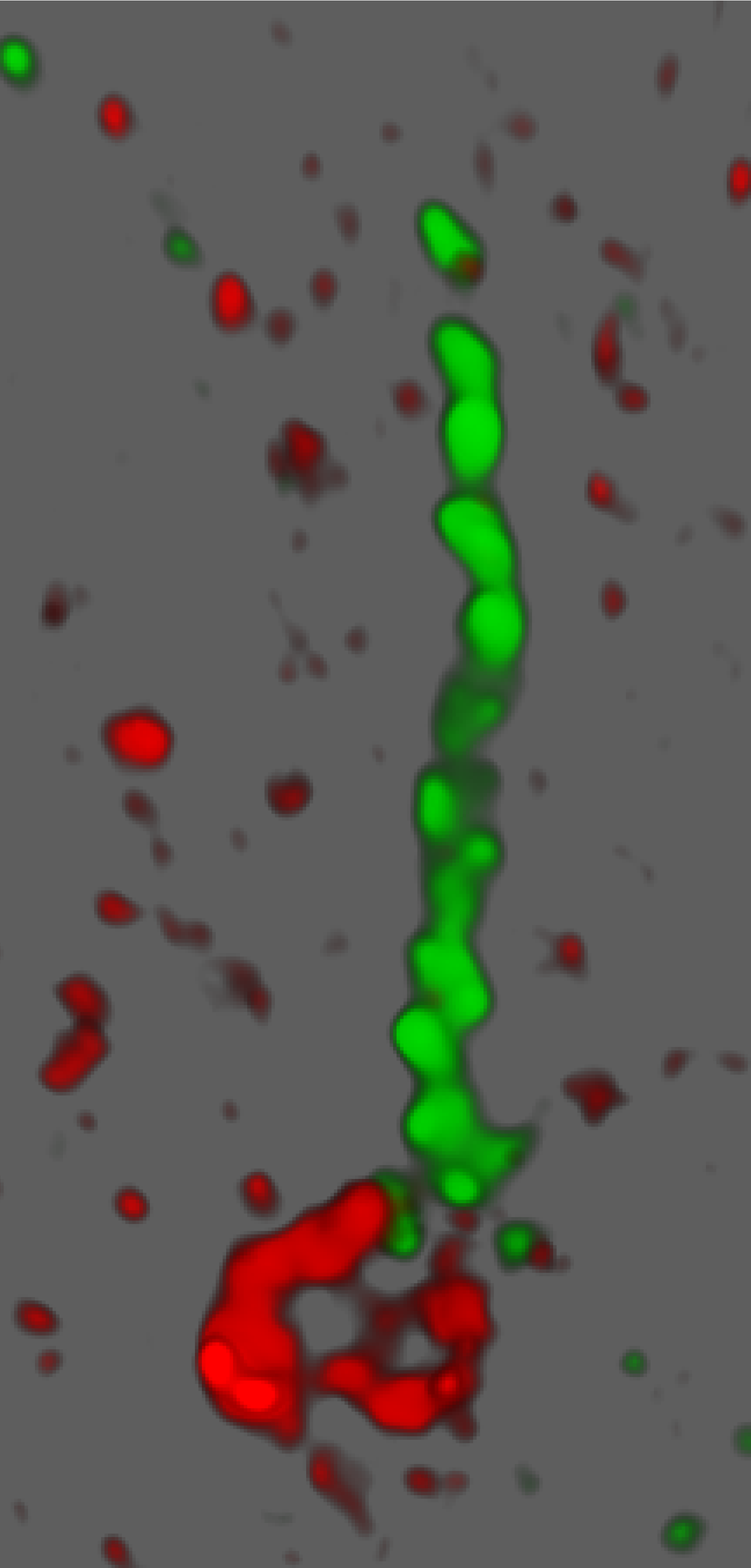
Cilium and Centrosome Biology
We study the molecular networks that govern how and why signaling molecules enter, move through, and exit a cilium. We also aim to uncover what triggers the structural remodeling of a cilium and how it varies under normal and pathological conditions.
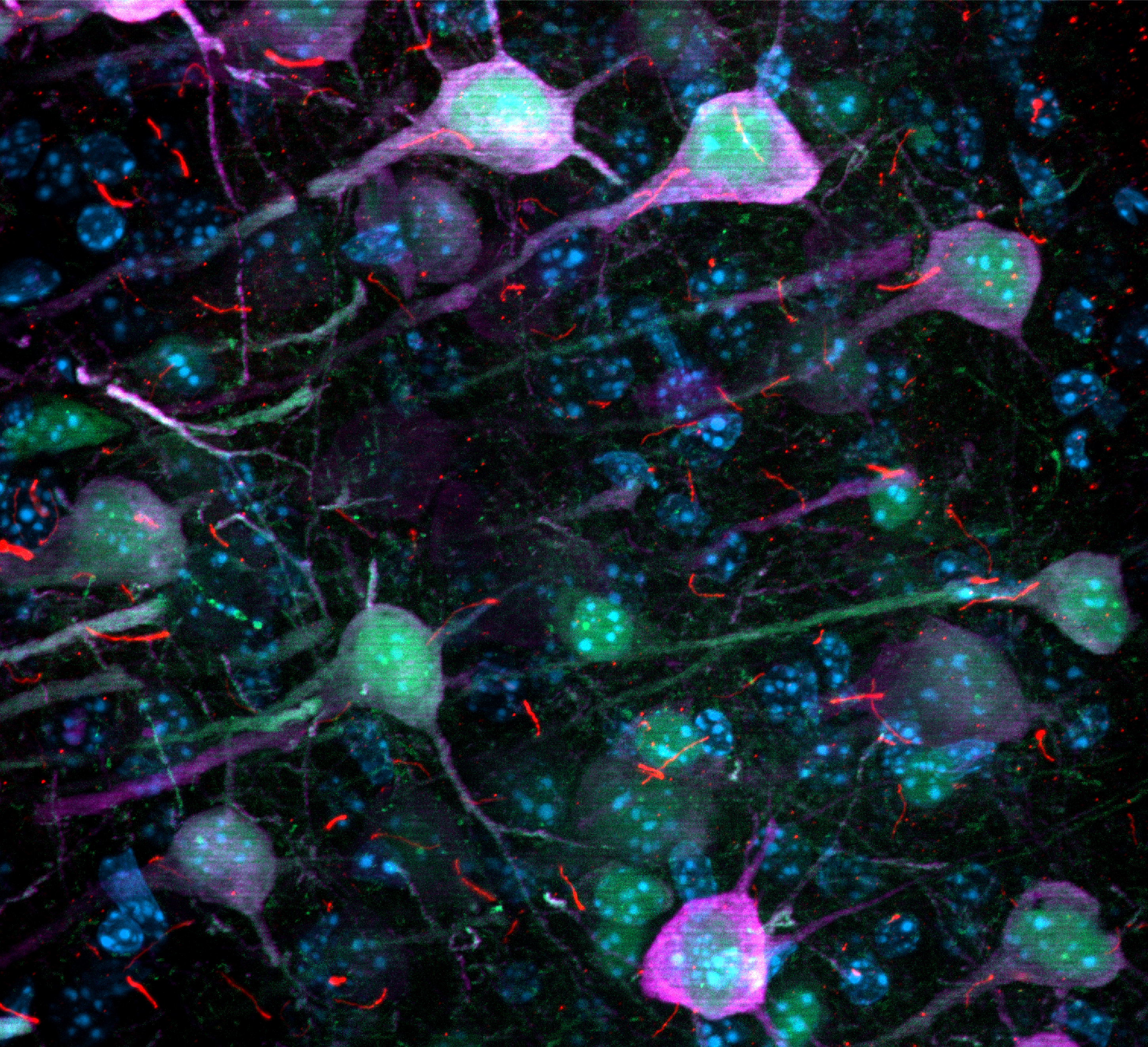
Neural Signaling of Primary Cilia in the Brain
Although most neurons possess a primary cilium, it remains unclear how this organelle mediates brain function and connectivity. Ciliary dysfunction causes a variety of developmental syndromes, often accompanied by severe neurological symptoms and cognitive impairment.
The lab focuses on three major questions: (1) What signals can the neuronal cilium detect and process? (2) How does the cilium convert these signals? (3) What are the downstream messengers and their effects on neuronal function and connectivity? Our long-term goal is to develop novel strategies for fine-tuning ciliary function to improve neurological outcomes in human disease.
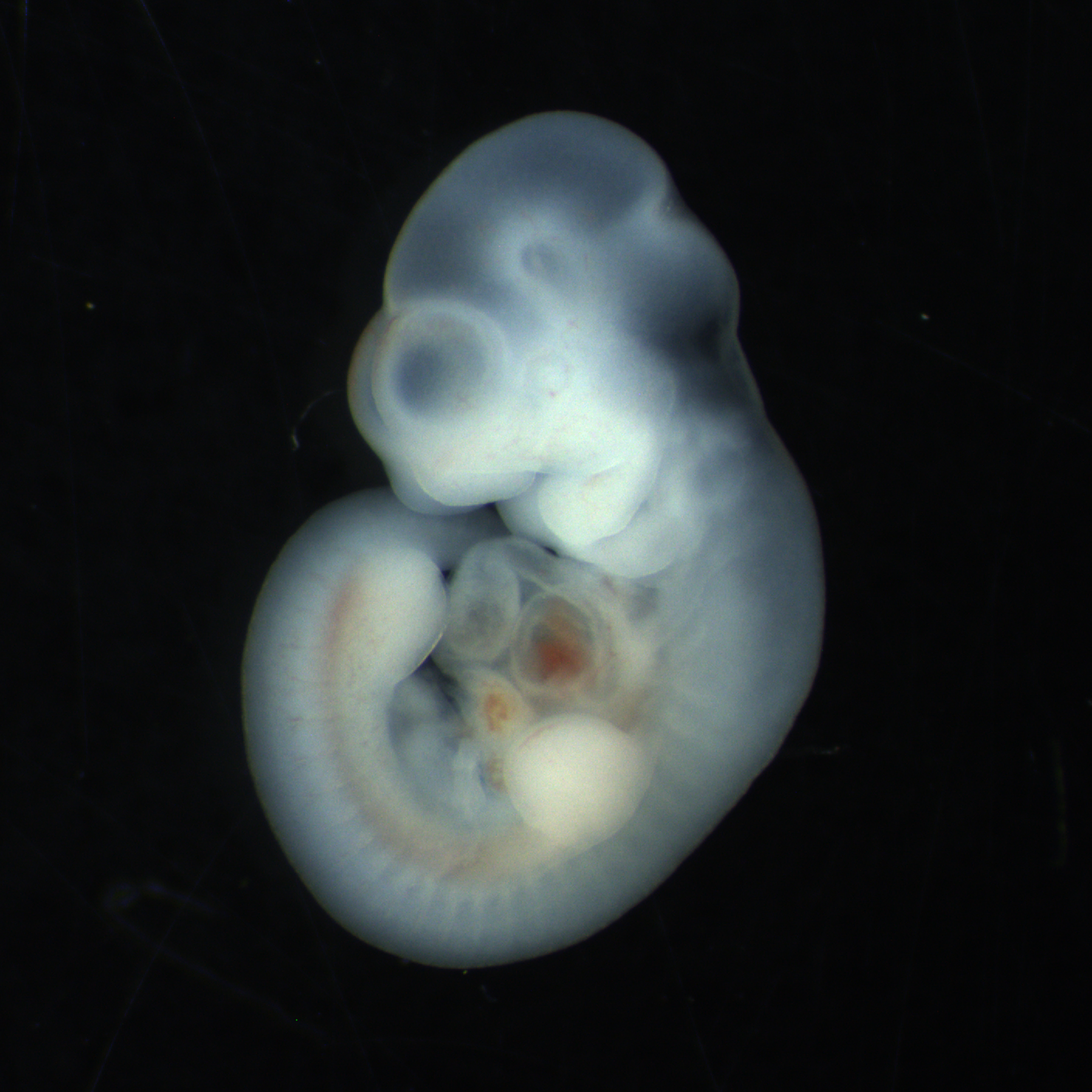
Ciliopathies
Ciliary dysfunction has been linked to a group of human diseases collectively called ciliopathies — rare disorders that typically affect multiple organs and tissues, often with a prominent neurological component.
Live Imaging
In Motion
"Unraveling the complex mechanisms underlying the primary cilium's functions holds the promise of developing novel therapeutic strategies for a wide range of diseases."
— Loukil Lab Mission